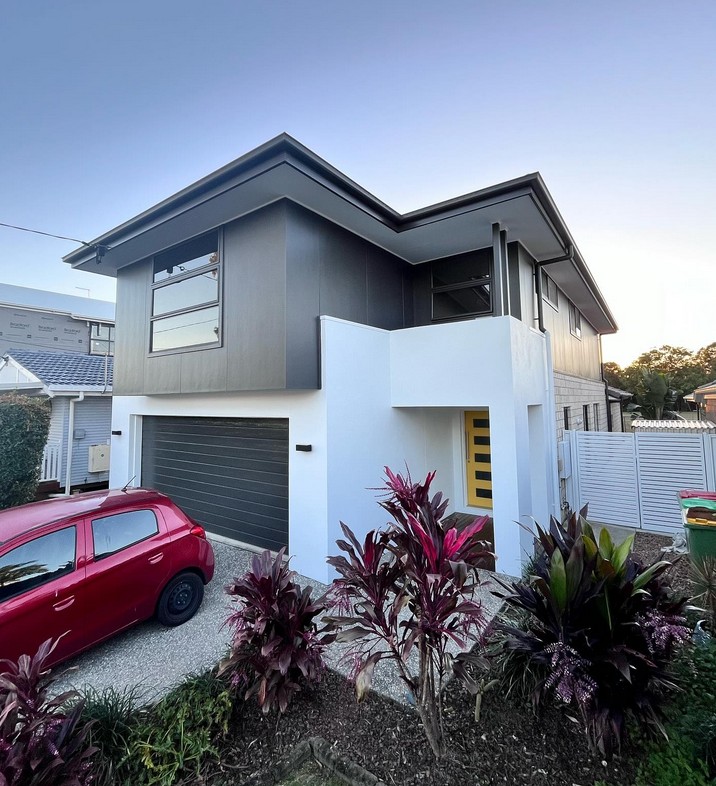
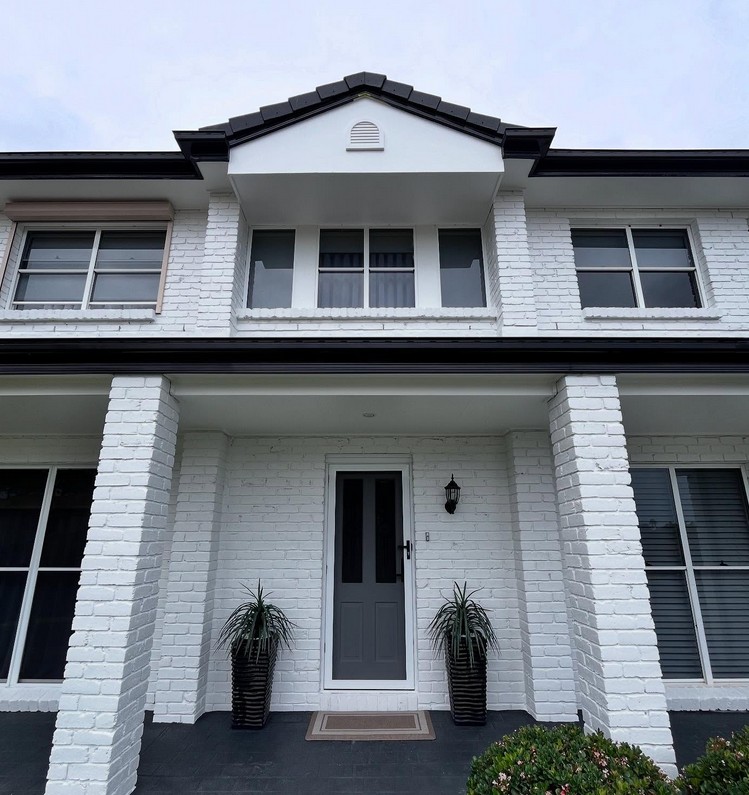
If you’re planning an exterior repaint of a Brisbane home in 2026, the best window runs from April through to early November. The key is to be smart about the hot, humid summer months, December through to March, when conditions require more careful planning for larger exterior work.
The good months fill up fast. Book ahead.
We’ve painted hundreds of homes across Redlands and South Brisbane. We’ve seen what happens when paint goes on in the wrong conditions, surface tackiness, peeling within twelve months, colour fade on north walls before the second summer.
Most of it is avoidable if you plan around the season. Here’s what we tell every homeowner who asks us when to paint.
Why Brisbane Is Harder Than Southern Cities For Exterior Painting
Brisbane sits in a humid subtropical zone, summers behave nothing like Melbourne or Sydney. Summer here means high humidity (often above 70%), a wet season from late November through February, almost daily afternoon storms, and UV intensity that’s harder on north and west walls than anywhere south of us.
Paint, especially water-based exterior paint, needs to evaporate moisture out of the film to cure properly. When the air is already loaded with moisture, that process slows or stalls. Add a storm two hours after the second coat goes on and you’ve got a problem the homeowner pays for, not the painter.
That’s why timing matters more in Brisbane than it does down south.
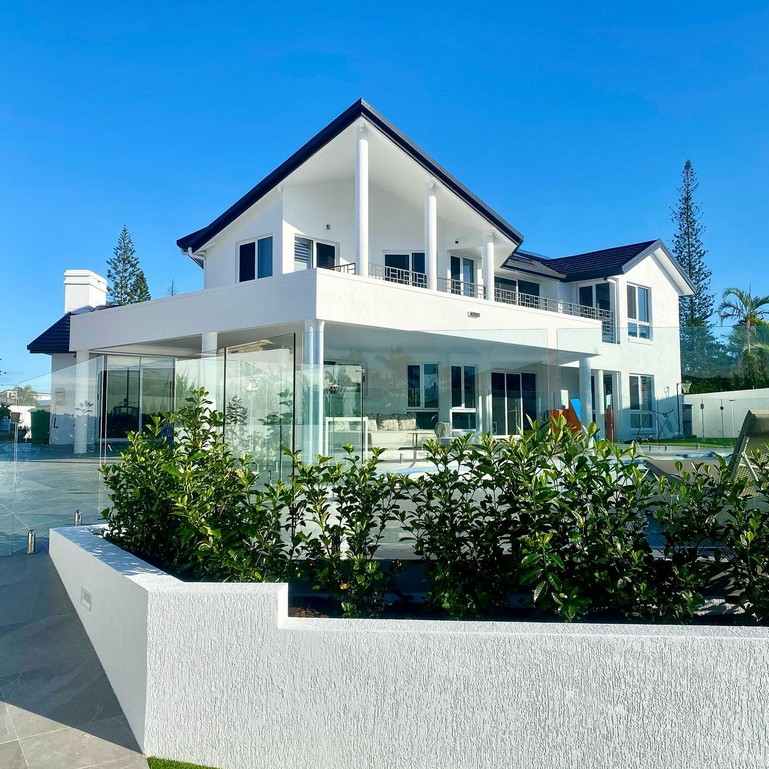
The Main Window: April To Early November
Brisbane’s exterior painting season runs broadly from April through to early November. That’s around seven months of workable conditions, but not all of it is equal.
April to May, The Sweet Spot
This is the best stretch of the year. Humidity drops noticeably after the wet season tapers in March. Storm activity quiets down. Daytime temperatures sit in a comfortable 22 to 26°C range. Overnight temperatures stay mild enough that paint cures evenly. Paint goes on clean, dries within spec, and the finish locks in well before the following wet season arrives. If you can only choose one window, choose this one.
June to July, Good With Caveats
Brisbane winter is mild by national standards, low humidity, dry days, no storms, daytime temps in the high teens to low 20s. It’s workable.
The caveat: cool nights. Most quality exterior paints specify a minimum surface temperature of around 10°C for proper curing. We get a handful of mornings each winter where surfaces drop below that, particularly on south-facing walls in shaded yards. We work around it with timing and product selection, but it’s worth knowing. Roof painting in winter is generally fine because the surface warms quickly once the sun hits it.
August to Early November, Spring Through Early Wet
Daytime temperatures are climbing, humidity is still manageable, and the days are getting longer, which gives a crew more usable drying hours. August through October is excellent. Early November is still workable but you’re approaching the start of storm season, so jobs need to be wrapped up and fully cured before conditions deteriorate.ally fine because the surface warms quickly once the sun hits it.
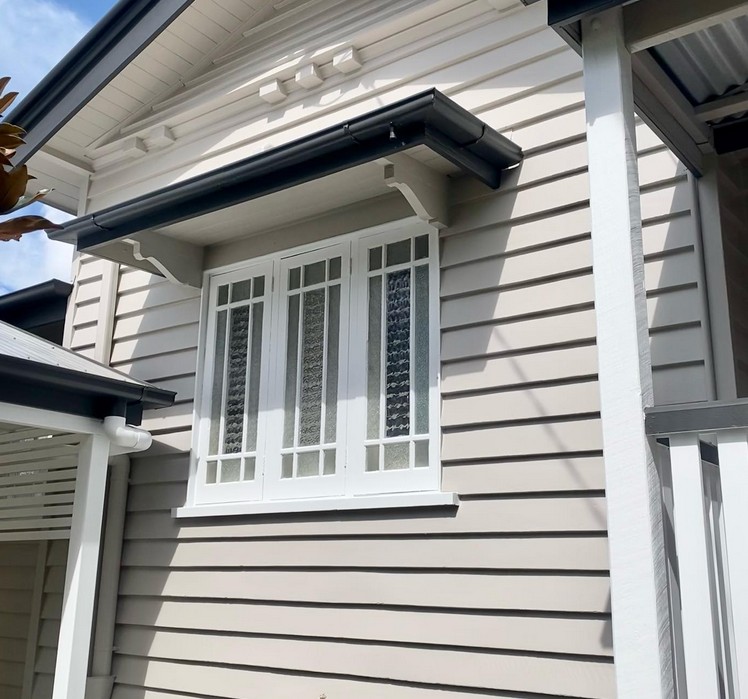
Why Summer (December To March) Requires Extra Care
Summer doesn’t mean we stop work, it means every job gets assessed on its own merits.
Smaller jobs, touch-ups, and interior-adjacent exterior work can absolutely go ahead in summer. Larger full repaints are where we have the honest conversation with the homeowner about risk and timing. For jobs that do proceed, we start early, on the tools by first light, and aim to have coats down before the worst of the afternoon heat and humidity. By the time the afternoon storms roll in, the paint has had hours to set.
What we won’t do is push a full exterior repaint through summer conditions just to fill the schedule. If a job is better served waiting until April, we’ll say so. Most homeowners appreciate the honesty.
The conditions that make summer genuinely difficult are real:
Humidity regularly sits above 70%, often above 85% before storms. Water-based paint can’t release moisture into already-saturated air, the film stays tacky longer than the can specifies.
Afternoon storms are near-daily from December through February. Even a fast 20-minute downpour two hours after application can compromise a fresh coat on render, weatherboard or fascia.
Surface temperatures on dark north and west walls can exceed 35°C by midday. Paint flashes off too fast on the surface and traps moisture underneath.
None of this is insurmountable on the right day with the right scope of work. It’s just why we assess rather than automatically book.
How Paint Actually Cures (Plain English)
Water-based exterior paint cures in two stages. First, the water evaporates out of the film over the first few hours. Second, the binder slowly hardens over weeks as it reacts with air.
Two things ruin stage one:
- High humidity, water has nowhere to go.
- Rain within 2 to 4 hours of application, water gets back into the film before it has set.
If either happens, the surface looks fine but the bond underneath is compromised. You’ll see it within twelve months as patchy fade, lifting at edges, or mould speckling.
When NOT To Paint, Regardless Of Season
Some days are bad days whatever the calendar says:
- Rain forecast in the next 24 hours Humidity above 85%
- Surface temperature below 10°C or above 35°C
- Heavy dew expected overnight on freshly coated work
- Strong wind carrying dust or salt spray onto wet paint
Who We’re Best For
- You want the job done properly: Prep gets the time it needs. We don’t compress prep to win on price.
- You want to plan ahead: Our main window (April, early November) books out months in advance. Talk to us early and we’ll work the right season for the job.
- You want a QBCC-licensed painter standing behind the work: Licence 15315253. Verify on the QBCC public register before you book any painter, ours or anyone’s.
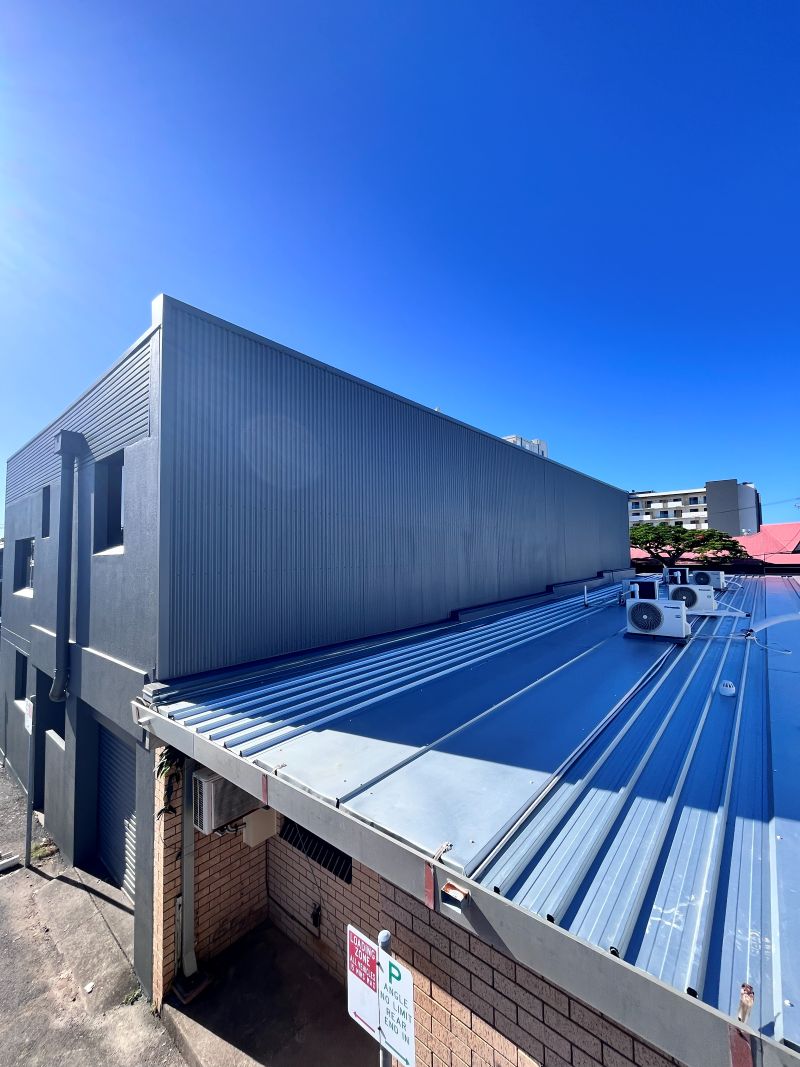
- You’ve got a roof that’s tired but still sound: Roof painting is a standard part of what we do, quoted separately, sealed properly for Brisbane sun.
Who We’re Not For
- You want the cheapest quote in Brisbane: We’re not the cheapest. We’re the painter who’s still standing behind the work in year five.
- You want corners cut on prep: We don’t compress prep. If the job needs a week, we book a week.
What We Do At Barton’s To Manage Brisbane Conditions
- Morning starts on humid days: So the bulk of evaporation happens before the afternoon heat.
- Live weather monitoring: We may need to cancel days if the forecast turns, we reschedule.
- Primer selection matched to surface and aspect: North and west walls cop the worst UV, they get specced differently to south walls.
- Two-coat minimum on north and west elevations: Single-coat on a north wall in Brisbane is false economy, it’ll fade visibly within two summers.
- Roof painting timed to dew clearance: We don’t start a roof coat until the surface is dry, which often means a later start in winter.
- Licensed and insured: Verify our QBCC licence on the QBCC public register before you book any painter, ours, anyone’s.
Frequently Asked Questions
Can I Paint My Exterior In Summer In Brisbane?
It depends on the job. Smaller work, touch-ups, and repairs can go ahead through summer, we start early and wrap up before the worst of the afternoon heat and humidity. Full exterior repaints are assessed case by case. If we think the job is better served waiting until autumn, we’ll tell you that upfront. We’d rather have that conversation than hand you a finish that doesn’t last.
Can I Paint My Exterior In Winter In Brisbane?
Yes, in most cases. Mild dry days through June and July work well for most products. We watch overnight temperatures and avoid heavily shaded south walls on the coldest weeks.
Is Roof Painting The Same Season As Walls?
Broadly yes, April through to early November is the sweet spot. Winter roof painting is generally fine on sunny days because the roof surface warms fast. Summer roof work follows the same assessment process as walls, smaller jobs and early starts can work, larger jobs may be better timed for autumn or spring.
Will Summer Rain Affect A Paint Job Done Last Spring?
No, provided it cured properly. A fully cured exterior coat handles summer storms without issue. The risk is rain on uncured paint, not cured paint.
How Long Does An Exterior Repaint Take?
Most standard Brisbane homes take three to seven working days, depending on size, prep required and weather. Two-storey or heavily-prepared jobs run longer.
Do You Guarantee Against Humidity Issues?
We guarantee our workmanship, which includes choosing the right days and conditions to apply paint. We won’t push a coat on in conditions that compromise the product, and if a summer job needs an early start or a weather delay, that’s what it gets.
How Do I Verify A Painter Is QBCC Licensed?
Queensland residential painters working on jobs over $3,300 must hold a QBCC licence. Search the painter’s business name on the QBCC public register to verify their licence is current. Takes 30 seconds.
Book Your Next Window With Barton’s Painting
We’re Barton’s Painting, based in Redlands, working across South Brisbane. If you’re planning a 2026 repaint, the autumn window is filling now. Call us for a straight answer on timing and price.